
If you’re applying for freelance writing jobs on LinkedIn right now, you’re not being paranoid for double-checking every posting. You’re being smart.
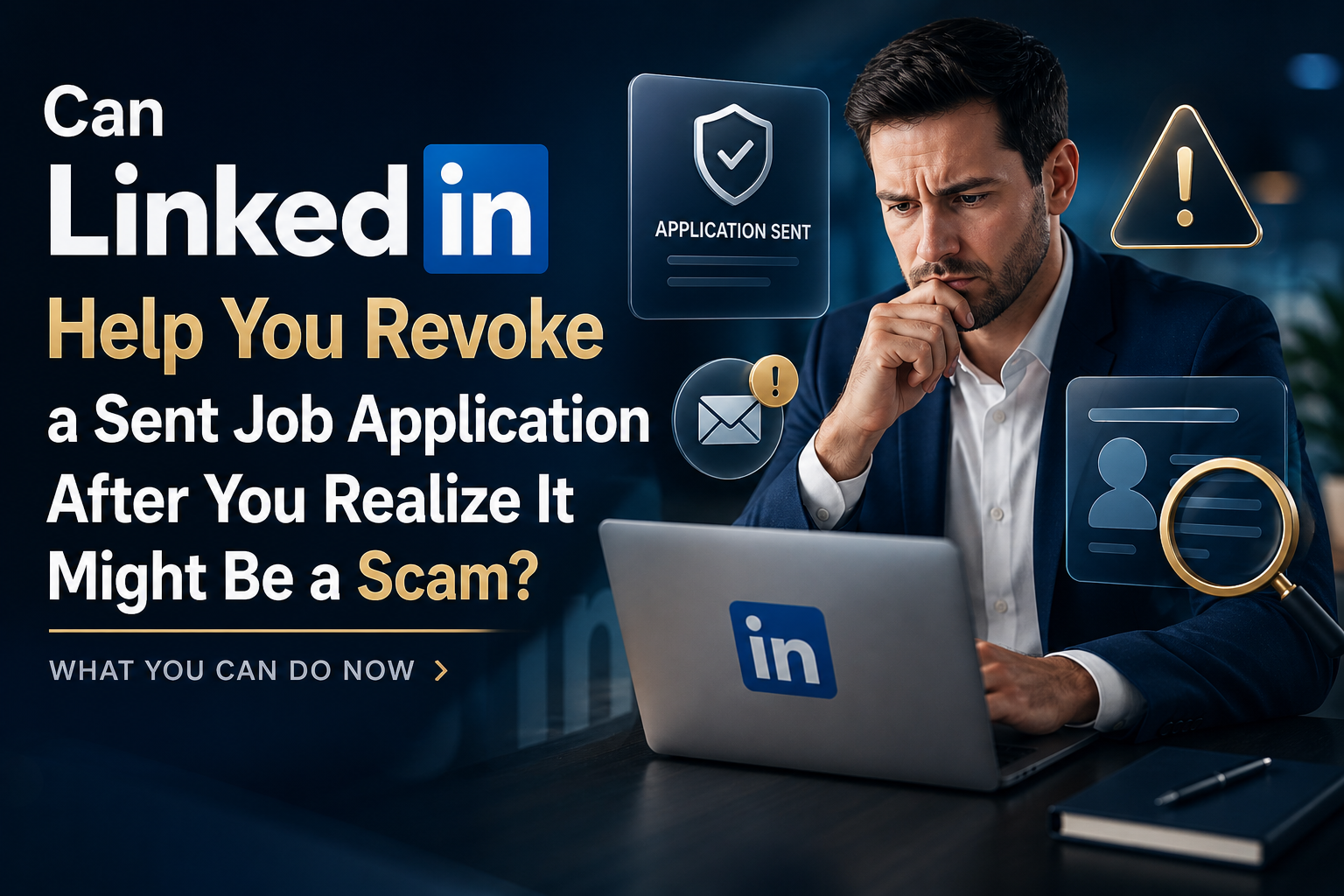
A recent post described a situation where a job seeker found what looked like a promising freelance content writing opportunity, only to pause, research the company leadership, and decide something felt off. Whether every claim in a public post is verified or still developing, the bigger takeaway is very real: content writers, especially entry-level freelancers, are often targeted by low-trust hiring tactics.
And honestly, this happens a lot more than people think.
Some job posts look polished. The pay sounds decent. The role feels accessible. Then suddenly you’re being asked for “sample work,” unpaid trial assignments, a rushed interview, or portfolio access before you’ve been given any real proof that the opportunity is legitimate.
So let’s break this down in a practical way. If you’re wondering how to protect yourself while job hunting on LinkedIn, here’s what to look for, what questions to ask, and what to do before sending over your time, writing, or personal information.
Why Do Freelance Writing Scams Work So Well?
Because they usually don’t look like scams at first.
They often copy the structure of a real hiring process:
A clean job description
A believable pay rate
A friendly email saying you’ve been shortlisted
A request for your portfolio or writing samples
A quick interview or “test task”
For new writers, this can feel exciting and normal. But that’s exactly why these schemes can be effective.
Sometimes the goal is to get free content. Sometimes it’s to collect personal information. Sometimes it’s to create the appearance of a company hiring process without any real intention to pay candidates.
This is why a small pause for research can save you a huge amount of stress later.
What Are The Biggest Red Flags In a LinkedIn Writing Job?
Not every red flag means a posting is fake. But if you notice several at once, slow down.
1. You were “shortlisted” too easily
If there was no real review, no assessment, and no meaningful conversation before you were told you made the cut, ask yourself: are they actually evaluating writers, or just collecting applicants?
2. The compensation sounds attractive, but the details are vague
A rate like “per word” can be normal in publishing and freelance writing. But if the payment terms, invoicing process, turnaround expectations, and editing rights aren’t clearly explained, that’s a problem.
3. They want unpaid probation work that looks like real deliverables
This is one of the most common issues writers run into. A short paid test is one thing. A full article, multiple drafts, or publish-ready content done for free is something else.
If the task could realistically be used by the company, you should be cautious.
4. The company website and LinkedIn presence don’t match
Check whether the brand has a consistent online footprint. Does the website list the same team members as LinkedIn? Is there a real company page? Are employees listed? Are posts recent? Does the domain look professional?
5. The founder, editor, or recruiter raises concerns online
One complaint alone does not prove misconduct. But if you find a pattern across forums, review sites, Reddit discussions, or public warnings, it’s worth taking seriously and digging deeper before engaging.
6. There’s pressure to move fast
Scammy processes often rely on urgency. Book the slot now. Submit today. Start immediately. Share documents quickly. When someone doesn’t want you to take time to verify them, that itself tells you something.
What Should You Check Before Applying or Accepting an Interview?
Here’s a simple checklist you can use every single time:
Search the company name + “reviews” + “scam” + “complaints”
Look up the founder, editor, or recruiter on LinkedIn
Check if the company has a legitimate website, domain history, and active social presence
Look for employee profiles and whether they seem real
Read the job description carefully for vague wording
Ask how payment works before doing any assignment
Confirm whether trial tasks are paid
Keep written records of all communication
If you want to verify a website’s age and registration details, tools like WHOIS can help. If you want to learn more about spotting job scams, the U.S. Federal Trade Commission’s guide on job scams is also useful, even if you’re applying internationally.
What Questions Should You Ask a Potential Client or Employer?
You don’t have to be aggressive. Just be clear.
Try questions like these:
Can you share your editorial process and payment terms in writing?
Is the trial assignment paid?
Where will this content be published?
Who owns the submitted work if a candidate is not hired?
Can you share examples of current writers or published pieces?
How long has your publication or agency been operating?
Will I be working under a contract?
A legitimate employer should be able to answer these without acting defensive.
How Can Writers Protect Their Work From Being Used Without Permission?
This part matters a lot.
If you’re asked for samples, it’s usually safer to:
Send published portfolio links instead of fresh custom drafts
Use PDF samples with your name on them
Share excerpts rather than full unpublished articles
Clarify in writing that unpaid samples are for evaluation only and may not be published or reused
If they insist on a custom assignment, ask whether it’s paid. If they say no, ask for a very short task that cannot reasonably be used as production content.
You can also learn more about protecting your work through the U.S. Copyright Office FAQ, which gives a good baseline understanding of ownership and usage.
What If Something Just Feels Off?
Trust that feeling enough to pause.
You don’t need courtroom-level proof to decide not to proceed with a job application. If the research is messy, the process is vague, the communication is inconsistent, or public reports raise concern, you are allowed to walk away.
That’s not overreacting. That’s risk management.
The biggest lesson is not just the warning itself. It is the applicant’s decision to research before committing. That habit alone can protect you from unpaid labor, stolen samples, identity risk, and wasted time.
If You’re a Beginner Writer, How Do You Stay Safe Without Missing Real Opportunities?
This is the hard part, because not every new or small company is suspicious. Some are genuine and just not polished yet.
So instead of assuming every opportunity is bad, use a balanced filter:
Look for clarity: real roles have clear expectations
Look for consistency: real brands are consistent across website, email, and LinkedIn
Look for accountability: real employers explain pay and contracts
Look for traceability: real teams leave a digital footprint
If you’re unsure, ask a friend, mentor, or writing community to take a quick look. Even one second opinion can help you notice something you missed.
Final Thoughts
If you’re searching for content writing work, you’re already doing enough. You shouldn’t also have to become a full-time investigator. But right now, a little verification goes a long way.
Before sending portfolio pieces, accepting interviews, or doing test assignments, ask yourself:
Do I know who I’m speaking with?
Can I verify the company?
Are payment terms clear?
Is the sample request fair?
Would I still feel comfortable if this work were never paid for?
If the answer to those questions is shaky, step back.
Read more on our blog and follow us on LinkedIn:
Write better LinkedIn content with EXEED AI
EXEED AI is an AI tool that helps you ideate, draft, and schedule content for your LinkedIn. Turn raw ideas into polished posts and stay consistent without the guesswork. Try EXEED AI.