
EXEED AI

Shantanu Ladhwe's Recent LinkedIn Posts
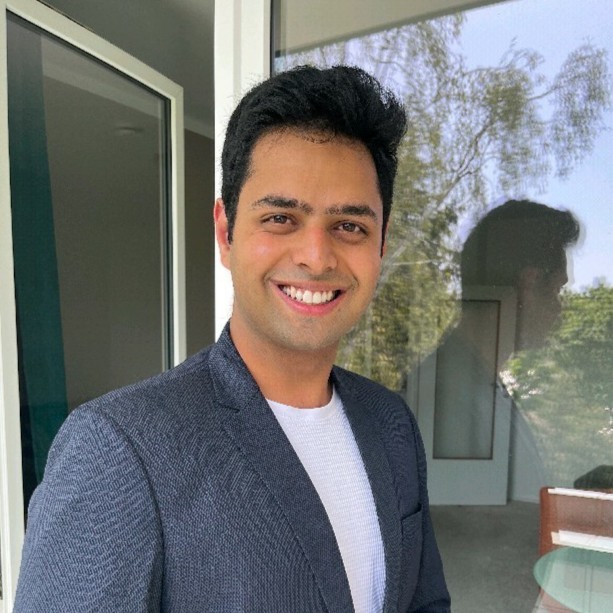
Shantanu Ladhwe

Shantanu Ladhwe

@shantanuladhwe

Head of AI ML | 100k+ Linkedin | AI Agents, RAG, NLP, Recommenders, Search & MLOps

en25 postsLinkedIn

Posts

Shantanu Ladhwe

Tech & AI

3mo

Stop randomly building AI system every AI/ML engineer should read this guide - “How to build AI Systems” from Amazon Web Services (AWS) Not because it's AWS. But it put forth the real-world scenarios and why most companies are building AI on a broken foundation Broken because: → Data silos that AI can't navigate → Governance missing before agents go live → Vector DBs deployed with no MLOps → Agentic systems built before RAG is stable We've spent years optimizing models. Nobody asked if the data layer was ready. AWS mapped this into a 6-stage maturity framework. And honestly most teams I know are stuck at Stage 2. 𝗦𝘁𝗮𝗴𝗲 𝟭 → Modernize data foundation 𝗦𝘁𝗮𝗴𝗲 𝟮 → Integrate and move data 𝗦𝘁𝗮𝗴𝗲 𝟯 → Govern and secure data 𝗦𝘁𝗮𝗴𝗲 𝟰 → Apply gen AI 𝗦𝘁𝗮𝗴𝗲 𝟱 → Build agentic AI 𝗦𝘁𝗮𝗴𝗲 𝟲 → Secure and optimize The gap between Stage 2 and Stage 5 is where most production AI projects will fail. I downloaded the full framework. It's definitely a very clear path for building as well as learning data foundation → autonomous AI. Link - https://lnkd.in/g8AS6xsN Must check it out! Share to make people realize that data is the most important layer! ♻️
103

Shantanu Ladhwe

Tech & AI

2mo

7 AI engineering skills. 7 videos. Less than 7 hours. 𝟳 𝗔𝗜 𝗘𝗻𝗴𝗶𝗻𝗲𝗲𝗿𝗶𝗻𝗴 𝗦𝗸𝗶𝗹𝗹𝘀 𝗬𝗼𝘂 𝗡𝗲𝗲𝗱 𝗶𝗻 𝟮𝟬𝟮𝟲 The exact YouTube videos to learn each one. All free. 1️⃣ 𝗟𝗮𝗻𝗴𝗚𝗿𝗮𝗽𝗵 → Build AI Agents with Python Learn how to build production-ready AI agents using LangGraph and Python. https://lnkd.in/due46xmV 2️⃣ 𝗖𝗹𝗮𝘂𝗱𝗲 𝗖𝗼𝗱𝗲 → Get Started Fast Get up and running with Claude Code and start building! https://lnkd.in/d3rqVM2K 3️⃣ 𝗖𝗹𝗮𝘂𝗱𝗲 𝗦𝗸𝗶𝗹𝗹𝘀 → Why Skills Matter Most Skills are the biggest unlock for AI engineering in 2026. https://lnkd.in/djxDX852 4️⃣ 𝗢𝗽𝗲𝗻𝗖𝗹𝗮𝘄 → The Future of AI Engineering Every AI engineer I know has worked with it. Companies are already building their own. You don't strictly need it, but the intuition you build by setting it up in your own environment is massive. I'd definitely recommend it. https://lnkd.in/d4X5Xxsy 5️⃣ 𝗔𝗜 𝗔𝗴𝗲𝗻𝘁 𝗘𝘃𝗮𝗹𝘂𝗮𝘁𝗶𝗼𝗻 → Test What You Build If you're not evaluating your AI agents, you're guessing. Learn how to measure Agent performance. https://lnkd.in/dH8K47bq 6️⃣ 𝗟𝗟𝗠𝘀 → Understand Them A deep dive into how large language models actually work under the hood. https://lnkd.in/dpPG_VSz 7️⃣ 𝗟𝗟𝗠𝗢𝗽𝘀 → How observability helps Understand how tools like Opik/Langfuse contribute to LLMOps. https://lnkd.in/d5R_8nzf Bookmark this. Share it with someone who's trying to break into AI engineering. Note: Take these as a reference for hands-on work. -- ♻️ Repost to share with others :) 🔔 Follow me, Shantanu for production AI/ML/MLOps & careers ➕ Join 42.500+ serious AI/ML builders here: https://lnkd.in/ds_SzEUH
440

Shantanu Ladhwe

Tech & AI

2mo

The "Data Scientist → AI Engineer" transition doesn't happen in a bootcamp. It often happens in a team. Here's what I've seen managing AI/ML teams: Data Scientists who work alongside strong Software Engineers naturally evolve into AI Engineers. Not because of a course. Not because of a roadmap. Because good SWEs teach them: → Production thinking → System design → Code quality beyond notebooks → Deployment patterns And here's the reverse too: Data Scientists who adopt SWE practices naturally are good in building AI agents, RAG pipelines, and LLM systems. The evolution isn't: ☒ Data Scientist + GenAI tutorial = AI Engineer It's: ☑ Data Scientist + SWE skills + right team = AI Engineer I would definitely say: Your team composition matters more than your learning roadmap. Put data scientists next to great engineers. Watch the transformation happen organically. It also impacts Software engineers in a good way (but will talk about it in another post) Do you see this in your teams too? Just curious to know. Original meme credit: Shirin -- ♻️ Repost to share with others :) 🔔 Follow me, Shantanu for production AI/ML/MLOps & careers
515

Shantanu Ladhwe

Tech & AI

2mo

Uber built a AI Agent + RAG that converts English to SQL (saving 300 engineers 7 minutes per query) Here's how 👇 Most companies talk about AI in production. Uber actually shipped it at scale. Here's how QueryGPT works ↓ 𝐓𝐡𝐞 𝐏𝐫𝐨𝐛𝐥𝐞𝐦 → 1.2M SQL queries per month at Uber → Each query takes ~10 minutes to write → Engineers spend hours searching schemas + writing SQL → Massive productivity bottleneck 𝐓𝐡𝐞 𝐒𝐨𝐥𝐮𝐭𝐢𝐨𝐧: 𝐌𝐮𝐥𝐭𝐢-𝐀𝐠𝐞𝐧𝐭 𝐑𝐀𝐆 𝐒𝐲𝐬𝐭𝐞𝐦 1️⃣ 𝐈𝐧𝐭𝐞𝐧𝐭 𝐀𝐠𝐞𝐧𝐭 → Classifies user questions into business domains → Maps "trips in Seattle" to "Mobility workspace" → Dramatically narrows search radius 2️⃣ 𝐓𝐚𝐛𝐥𝐞 𝐀𝐠𝐞𝐧𝐭  → Identifies relevant tables for the query → Shows suggestions to user for confirmation → Prevents wrong table selection 3️⃣ 𝐂𝐨𝐥𝐮𝐦𝐧 𝐏𝐫𝐮𝐧𝐞 𝐀𝐠𝐞𝐧𝐭 → Removes irrelevant columns from large schemas → Some tables have 200+ columns → Reduces token usage and improves speed 4️⃣ 𝐐𝐮𝐞𝐫𝐲 𝐆𝐞𝐧𝐞𝐫𝐚𝐭𝐢𝐨𝐧 → Uses GPT-4 with curated SQL examples → Few-shot prompting with domain-specific samples → Includes Uber business logic and date handling 𝐏𝐫𝐨𝐝𝐮𝐜𝐭𝐢𝐨𝐧 𝐑𝐞𝐬𝐮𝐥𝐭𝐬 → Query time: 10 minutes → 3 minutes (70% reduction) → 300 daily active users → 78% say it saves significant time → Handles complex multi-table joins 𝐊𝐞𝐲 𝐈𝐧𝐧𝐨𝐯𝐚𝐭𝐢𝐨𝐧: 𝐖𝐨𝐫𝐤𝐬𝐩𝐚𝐜𝐞𝐬 Instead of searching all schemas, they created curated collections: → Mobility (trips, drivers, vehicles) → Ads (campaigns, impressions, conversions)   → Core Services (payments, users, cities) → Custom workspaces for specialized needs 𝐓𝐡𝐞 𝐋𝐞𝐚𝐫𝐧𝐢𝐧𝐠 LLMs work best as specialized agents, not generalists. → Each agent has one focused job → Better accuracy than one mega-agent → Easier to debug and improve This is how you actually ship AI in production, not just demos. Full technical breakdown: ✅ Blog - https://lnkd.in/dvH34F2M ✅ FREE production-grade RAG system - https://lnkd.in/dCYbsY3c I hope this adds some insights to you :) -- ♻️ Repost to share with your network 🔔 Follow me, Shantanu for production AI/ML/MLOps & careers ➕ Join 43.000+ AI/ML builders here: https://lnkd.in/ds_SzEUH
168

Shantanu Ladhwe

Tech & AI

2mo

3 blogs. 3 weeks. How AI systems are actually built in companies and the issues you encounter in production Shirin and I wrote these from real-world experience. Here's what each one covers: 𝗕𝗹𝗼𝗴 𝟭: FastAPI Concurrency for AI Services Your AI service breaks between 20-50 concurrent users. Not because of resources. Because of architecture. → Why async def + synchronous HTTP client kills your throughput → The concurrency vs parallelism distinction that matters for inference → 3 production patterns from async clients to vLLM → Running guardrails parallel to inference for zero latency cost 🔗 https://lnkd.in/d979KwpF 𝗕𝗹𝗼𝗴 𝟮: 9 Security Holes in Your LLM Service You weren't hacked. You were prompted. → Prompt injection is OWASP's #1 risk for LLM apps → One user can drain thousands overnight with 128K-token requests → 9 fixes with production code. Pydantic, LLM Guard, token budgets, RAG Spotlighting, etc. → A layered guardrail architecture for input and output 🔗 https://lnkd.in/d8WZH7PT 𝗕𝗹𝗼𝗴 𝟯: Agent Ops in the Real World Building an agent is 10%. Operating it is 90%. → Serving, networking, secrets, IAM for a real customer-facing agent → State management across Redis, Postgres, and DynamoDB → Observability with Datadog + Opik for end-to-end tracing → Runbooks and fallbacks for when things break at 3am 🔗 https://lnkd.in/dYibvYxx All on Jam with AI. There are many more coming! 📌 Subscribe to be part of 43,000 real AI/ML builders' community! ♻️ Let's share this with other builders!
198

Shantanu Ladhwe

Tech & AI

2mo

I was setting up OpenClaw And definitely was very concerned about security. This agent gets access to my shell, my API keys, my files, my chat channels. 😅 Before I handed any of that over, I needed to understand how it can be protected. Came across KiloClaw's security white paper and I think it's worth sharing here. Here's what their independent assessment found: 1️⃣ 𝗘𝗮𝗰𝗵 𝘂𝘀𝗲𝗿 𝗴𝗲𝘁𝘀 𝘁𝗵𝗲𝗶𝗿 𝗼𝘄𝗻 𝗩𝗠 ↳ Not a shared container ↳ A dedicated Firecracker micro-VM ↳ Same isolation tech behind AWS Lambda 2️⃣ 𝗦𝗲𝗰𝗿𝗲𝘁𝘀 𝗮𝗿𝗲 𝗲𝗻𝗰𝗿𝘆𝗽𝘁𝗲𝗱 𝗮𝘁 𝗿𝗲𝘀𝘁 ↳ RSA-OAEP + AES-256-GCM ↳ Decrypted only inside your own VM 3️⃣ 𝗣𝗿𝗼𝗺𝗽𝘁 𝗶𝗻𝗷𝗲𝗰𝘁𝗶𝗼𝗻 𝗰𝗮𝗻'𝘁 𝗲𝘀𝗰𝗮𝗹𝗮𝘁𝗲 𝗽𝗲𝗿𝗺𝗶𝘀𝘀𝗶𝗼𝗻𝘀 ↳ Security controls are locked at the platform level ↳ The agent can't override them, no matter what 4️⃣ 𝗗𝗲𝗹𝗲𝘁𝗶𝗼𝗻 𝗮𝗰𝘁𝘂𝗮𝗹𝗹𝘆 𝗱𝗲𝗹𝗲𝘁𝗲𝘀 ↳ Crash-safe two-phase cleanup ↳ VM destroyed, encryption keys wiped If you're giving any AI agent access to your tools and credentials, the white paper is worth a read. Link - https://dub.sh/rIzXDfA -- ♻️ Repost to share with others 🙌 ➕ Follow me, Shantanu for production AI/ML/MLOps & careers
68

Shantanu Ladhwe

Tech & AI

2mo

10 + 4 ways to reduce latency of your ML inference endpoint 👇 1. Model quantization → Use smaller numbers for weights (8-bit instead of 32-bit) 2. Dynamic batching → Process multiple requests together instead of one-by-one 3. KV cache optimization → Reuse previously computed attention keys and values 4. Request-level caching → Store and reuse results for repeated queries 5. Model compilation → Convert your model to run faster on specific hardware 6. Model warmup and cold start optimization → Pre-load models and keep them ready in GPU memory 7. Model pruning → Remove unnecessary connections while keeping accuracy 8. Async preprocessing → Prepare data while model is working on something else 9. Mixed precision inference → Use FP16 instead of FP32 for faster computation 10. Hardware-specific kernels → Use optimized code like FlashAttention for your GPU 𝗕𝗼𝗻𝘂𝘀 (𝗳𝗿𝗼𝗺 𝘁𝗵𝗲 𝗰𝗼𝗺𝗺𝘂𝗻𝗶𝘁𝘆): 11. Speculative decoding → Use a smaller draft model to predict tokens, then verify with the large model in one pass 12. Continuous batching → Don't wait for all requests in a batch to finish, insert new ones as slots free up 13. Model selection → Sometimes the biggest latency win is just using a smaller model that's good enough 14. Optimize the serving path → Minimize serialization overhead, use gRPC over HTTP, pin CPU threads, and use NUMA-aware memory placement (Latency is a system problem, not only a model problem.) What else should make this list? -- ♻️ Repost if you find it insightful :) ➕ Follow me, Shantanu for production AI/ML/MLOps & careers 🔔 Join 43.500+ AI/ML builders here: https://lnkd.in/ds_SzEUH
267

Shantanu Ladhwe

Tech & AI

2mo

I was setting up OpenClaw And definitely was very concerned about security. This agent gets access to my shell, my API keys, my files, my chat channels. 😅 Before I handed any of that over, I needed to understand how it can be protected. Came across KiloClaw's security white paper and I think it's worth sharing here. Here's what their independent assessment found: 1️⃣ 𝗘𝗮𝗰𝗵 𝘂𝘀𝗲𝗿 𝗴𝗲𝘁𝘀 𝘁𝗵𝗲𝗶𝗿 𝗼𝘄𝗻 𝗩𝗠 ↳ Not a shared container ↳ A dedicated Firecracker micro-VM ↳ Same isolation tech behind AWS Lambda 2️⃣ 𝗦𝗲𝗰𝗿𝗲𝘁𝘀 𝗮𝗿𝗲 𝗲𝗻𝗰𝗿𝘆𝗽𝘁𝗲𝗱 𝗮𝘁 𝗿𝗲𝘀𝘁 ↳ RSA-OAEP + AES-256-GCM ↳ Decrypted only inside your own VM 3️⃣ 𝗣𝗿𝗼𝗺𝗽𝘁 𝗶𝗻𝗷𝗲𝗰𝘁𝗶𝗼𝗻 𝗰𝗮𝗻'𝘁 𝗲𝘀𝗰𝗮𝗹𝗮𝘁𝗲 𝗽𝗲𝗿𝗺𝗶𝘀𝘀𝗶𝗼𝗻𝘀 ↳ Security controls are locked at the platform level ↳ The agent can't override them, no matter what 4️⃣ 𝗗𝗲𝗹𝗲𝘁𝗶𝗼𝗻 𝗮𝗰𝘁𝘂𝗮𝗹𝗹𝘆 𝗱𝗲𝗹𝗲𝘁𝗲𝘀 ↳ Crash-safe two-phase cleanup ↳ VM destroyed, encryption keys wiped If you're giving any AI agent access to your tools and credentials, the white paper is worth a read. Link - https://dub.sh/rIzXDfA -- ♻️ Repost to share with others 🙌 ➕ Follow me, Shantanu for production AI/ML/MLOps & careers
78

Shantanu Ladhwe

Tech & AI

2mo

This one video covers the production gap that kills 90% of AI/ML projects. "System Design Course" by freeCodeCamp (975K+ views) Free. 1 hour. Changes everything. The problem with ML education: They teach you to build models. They don't teach you to serve 1000 users. As someone building RAG & AI Agents: Model/LLM matters 10%. Infrastructure matters 90%. 🔷 What this covers: → Caching & CDNs: Cut RAG costs 70% → Load Balancers: Handle 10x traffic without crashing → Database Sharding: Scale vector storage properly → Computer Architecture: 10x faster training and inference → CI/CD Pipelines: Deploy confidently 📌 Video link - https://lnkd.in/ddSYvGpc Must watch! --- ♻ Repost if to help others! 🔔 Follow me, Shantanu for production AI/ML/MLOps & careers ➕ Join 44.000+ AI/ML builders here: https://lnkd.in/ds_SzEUH
182

Shantanu Ladhwe

Tech & AI

2mo

10 + 4 ways to reduce latency of your ML inference endpoint 👇 1. Model quantization → Use smaller numbers for weights (8-bit instead of 32-bit) 2. Dynamic batching → Process multiple requests together instead of one-by-one 3. KV cache optimization → Reuse previously computed attention keys and values 4. Request-level caching → Store and reuse results for repeated queries 5. Model compilation → Convert your model to run faster on specific hardware 6. Model warmup and cold start optimization → Pre-load models and keep them ready in GPU memory 7. Model pruning → Remove unnecessary connections while keeping accuracy 8. Async preprocessing → Prepare data while model is working on something else 9. Mixed precision inference → Use FP16 instead of FP32 for faster computation 10. Hardware-specific kernels → Use optimized code like FlashAttention for your GPU 𝗕𝗼𝗻𝘂𝘀 (𝗳𝗿𝗼𝗺 𝘁𝗵𝗲 𝗰𝗼𝗺𝗺𝘂𝗻𝗶𝘁𝘆): 11. Speculative decoding → Use a smaller draft model to predict tokens, then verify with the large model in one pass 12. Continuous batching → Don't wait for all requests in a batch to finish, insert new ones as slots free up 13. Model selection → Sometimes the biggest latency win is just using a smaller model that's good enough 14. Optimize the serving path → Minimize serialization overhead, use gRPC over HTTP, pin CPU threads, and use NUMA-aware memory placement (Latency is a system problem, not only a model problem.) What else should make this list? -- ♻️ Repost if you find it insightful :) ➕ Follow me, Shantanu for production AI/ML/MLOps & careers 🔔 Join 43.500+ AI/ML builders here: https://lnkd.in/ds_SzEUH
419

Shantanu Ladhwe

Tech & AI

2mo

If you are starting with MLOps 6 MLOps projects for beginners 👇 𝟭. 𝗕𝘂𝗶𝗹𝗱𝗶𝗻𝗴 𝗠𝗟 𝗣𝗶𝗽𝗲𝗹𝗶𝗻𝗲𝘀 𝘄𝗶𝘁𝗵 𝗣𝗿𝗲𝗳𝗲𝗰𝘁 ↳ Automate data preprocessing, training, and evaluation ↳ Deploy workflows locally and on the cloud ↳ Set up monitoring + failure alerts ↳ Link - https://lnkd.in/dn2K42Ez 𝟮. 𝗖𝗜/𝗖𝗗 𝗳𝗼𝗿 𝗠𝗟 𝗣𝗿𝗼𝗷𝗲𝗰𝘁𝘀 ↳ Build pipelines with GitHub Actions + CML ↳ Every code change triggers retraining + redeployment ↳ Automate testing, validation, and deployment ↳ Link - https://lnkd.in/dtsQ6Wq9 𝟯. 𝗠𝗟𝗢𝗽𝘀 𝗣𝗿𝗼𝗷𝗲𝗰𝘁 𝘄𝗶𝘁𝗵 𝗚𝗶𝘁𝗛𝘂𝗯 𝗔𝗰𝘁𝗶𝗼𝗻𝘀 ↳ Version control models with DVC ↳ Automate training and deployment ↳ Deploy to AWS cloud ↳ Link - https://lnkd.in/dYXSTeWV 𝟰. 𝗘𝗻𝗱-𝘁𝗼-𝗘𝗻𝗱 𝗠𝗟𝗢𝗽𝘀 𝘄𝗶𝘁𝗵 𝗗𝗮𝘁𝗮𝗧𝗮𝗹𝗸𝘀.𝗖𝗹𝘂𝗯 ↳ Free course covering Prefect, Airflow, CI/CD ↳ Deploy models as REST APIs ↳ Monitor models in production ↳ Link - https://lnkd.in/dNUAY_iw 𝟱. 𝗗𝗲𝗽𝗹𝗼𝘆𝗶𝗻𝗴 𝗠𝗟 𝗠𝗼𝗱𝗲𝗹𝘀 𝗼𝗻 𝗔𝘇𝘂𝗿𝗲 ↳ Build ML pipeline + Flask web app ↳ Containerize with Docker ↳ Deploy to Azure Container Registry ↳ Link - https://lnkd.in/dvuiMMvJ 𝟲. 𝗥𝗲𝗽𝗿𝗼𝗱𝘂𝗰𝗶𝗯𝗹𝗲 𝗠𝗟 𝗣𝗿𝗼𝗷𝗲𝗰𝘁𝘀 ↳ Track experiments with MLflow ↳ Create reusable pipelines ↳ Monitor models in production ↳ Link - https://lnkd.in/dphBgyPk Reference - https://lnkd.in/dww9EZT4 The gap between notebook ML and production ML is where careers are made. Learn the important fundamentals from above short projects --- ♻️ Repost to help someone land their first MLOps role. ➕ Follow me, Shantanu for production AI/ML/MLOps & careers ➕Join 43.000+ AI/ML builders here: https://lnkd.in/ds_SzEUH
83

Shantanu Ladhwe

Tech & AI

2mo

The "Data Scientist → AI Engineer" transition doesn't happen in a bootcamp. It often happens in a team. Here's what I've seen managing AI/ML teams: Data Scientists who work alongside strong Software Engineers naturally evolve into AI Engineers. Not because of a course. Not because of a roadmap. Because good SWEs teach them: → Production thinking → System design → Code quality beyond notebooks → Deployment patterns And here's the reverse too: Data Scientists who adopt SWE practices naturally are good in building AI agents, RAG pipelines, and LLM systems. The evolution isn't: ☒ Data Scientist + GenAI tutorial = AI Engineer It's: ☑ Data Scientist + SWE skills + right team = AI Engineer I would definitely say: Your team composition matters more than your learning roadmap. Put data scientists next to great engineers. Watch the transformation happen organically. It also impacts Software engineers in a good way (but will talk about it in another post) Do you see this in your teams too? Just curious to know. Original meme credit: Shirin -- ♻️ Repost to share with others :) 🔔 Follow me, Shantanu for production AI/ML/MLOps & careers
430

Shantanu Ladhwe

Tech & AI

2mo

3 blogs. 3 weeks. How AI systems are actually built in companies and the issues you encounter in production Shirin and I wrote these from real-world experience. Here's what each one covers: 𝗕𝗹𝗼𝗴 𝟭: FastAPI Concurrency for AI Services Your AI service breaks between 20-50 concurrent users. Not because of resources. Because of architecture. → Why async def + synchronous HTTP client kills your throughput → The concurrency vs parallelism distinction that matters for inference → 3 production patterns from async clients to vLLM → Running guardrails parallel to inference for zero latency cost 🔗 https://lnkd.in/d979KwpF 𝗕𝗹𝗼𝗴 𝟮: 9 Security Holes in Your LLM Service You weren't hacked. You were prompted. → Prompt injection is OWASP's #1 risk for LLM apps → One user can drain thousands overnight with 128K-token requests → 9 fixes with production code. Pydantic, LLM Guard, token budgets, RAG Spotlighting, etc. → A layered guardrail architecture for input and output 🔗 https://lnkd.in/d8WZH7PT 𝗕𝗹𝗼𝗴 𝟯: Agent Ops in the Real World Building an agent is 10%. Operating it is 90%. → Serving, networking, secrets, IAM for a real customer-facing agent → State management across Redis, Postgres, and DynamoDB → Observability with Datadog + Opik for end-to-end tracing → Runbooks and fallbacks for when things break at 3am 🔗 https://lnkd.in/dYibvYxx All on Jam with AI. There are many more coming! 📌 Subscribe to be part of 43,000 real AI/ML builders' community! ♻️ Let's share this with other builders!
192

Shantanu Ladhwe

Tech & AI

2mo

7 AI engineering skills. 7 videos. Less than 7 hours. 𝟳 𝗔𝗜 𝗘𝗻𝗴𝗶𝗻𝗲𝗲𝗿𝗶𝗻𝗴 𝗦𝗸𝗶𝗹𝗹𝘀 𝗬𝗼𝘂 𝗡𝗲𝗲𝗱 𝗶𝗻 𝟮𝟬𝟮𝟲 The exact YouTube videos to learn each one. All free. 1️⃣ 𝗟𝗮𝗻𝗴𝗚𝗿𝗮𝗽𝗵 → Build AI Agents with Python Learn how to build production-ready AI agents using LangGraph and Python. https://lnkd.in/due46xmV 2️⃣ 𝗖𝗹𝗮𝘂𝗱𝗲 𝗖𝗼𝗱𝗲 → Get Started Fast Get up and running with Claude Code and start building! https://lnkd.in/d3rqVM2K 3️⃣ 𝗖𝗹𝗮𝘂𝗱𝗲 𝗦𝗸𝗶𝗹𝗹𝘀 → Why Skills Matter Most Skills are the biggest unlock for AI engineering in 2026. https://lnkd.in/djxDX852 4️⃣ 𝗢𝗽𝗲𝗻𝗖𝗹𝗮𝘄 → The Future of AI Engineering Every AI engineer I know has worked with it. Companies are already building their own. You don't strictly need it, but the intuition you build by setting it up in your own environment is massive. I'd definitely recommend it. https://lnkd.in/d4X5Xxsy 5️⃣ 𝗔𝗜 𝗔𝗴𝗲𝗻𝘁 𝗘𝘃𝗮𝗹𝘂𝗮𝘁𝗶𝗼𝗻 → Test What You Build If you're not evaluating your AI agents, you're guessing. Learn how to measure Agent performance. https://lnkd.in/dH8K47bq 6️⃣ 𝗟𝗟𝗠𝘀 → Understand Them A deep dive into how large language models actually work under the hood. https://lnkd.in/dpPG_VSz 7️⃣ 𝗟𝗟𝗠𝗢𝗽𝘀 → How observability helps Understand how tools like Opik/Langfuse contribute to LLMOps. https://lnkd.in/d5R_8nzf Bookmark this. Share it with someone who's trying to break into AI engineering. Note: Take these as a reference for hands-on work. -- ♻️ Repost to share with others :) 🔔 Follow me, Shantanu for production AI/ML/MLOps & careers ➕ Join 42.500+ serious AI/ML builders here: https://lnkd.in/ds_SzEUH
440

Shantanu Ladhwe

Tech & AI

2mo

60% of AI Engineers don’t know how to structure a repo If your FastAPI + GenAI project is starting to look messy… this post is for you 👇 Here’s how we structure production-grade FastAPI based GenAI systems: 🔹 𝘀𝗿𝗰/ - 𝗖𝗼𝗿𝗲 𝗔𝗽𝗽𝗹𝗶𝗰𝗮𝘁𝗶𝗼𝗻 𝗟𝗼𝗴𝗶𝗰 We use a layered + domain-first architecture - the same structure that powers robust ML/AI systems in production. Let’s break it down: 1️⃣ 𝗺𝗼𝗱𝗲𝗹𝘀/ → SQLAlchemy ORM models ↳ Defines your database schema: tables, types, indexes ↳ E.g. academic paper metadata: title, authors, abstract 2️⃣ 𝘀𝗰𝗵𝗲𝗺𝗮𝘀/ → Pydantic models for data validation ↳ Type-safe request/response structures ↳ Handles optional fields, default values, constraints 3️⃣ 𝗿𝗼𝘂𝘁𝗲𝗿𝘀/ → FastAPI route definitions ↳ Logical grouping of endpoints (e.g., /search, /upload) ↳ Auto-generates clean Swagger/OpenAPI docs ✅ Exposes your system cleanly to devs, tools, and UIs. 4️⃣ 𝗿𝗲𝗽𝗼𝘀𝗶𝘁𝗼𝗿𝗶𝗲𝘀/ → DB interaction layer ↳ Clean abstraction over SQL queries ↳ Makes business logic readable + testable ✅ No raw SQL scattered in your app. Easy to test and evolve. 5️⃣ 𝘀𝗲𝗿𝘃𝗶𝗰𝗲𝘀/ - The brain of your application → Logic organized by domain, not just CRUD e.g.: ↳ opensearch/ → Hybrid retrieval logic ✅ Modular by design: swap, extend, or evolve features without chaos. 6️⃣ 𝗱𝗯/ → Database engine config ↳ Connection pooling, retry logic, async sessions ✅ Rock-solid DB handling. No “random connection errors” in prod. 7️⃣ 𝗺𝗮𝗶𝗻.𝗽𝘆 → FastAPI entry point ↳ Imports routes, applies middlewares, sets up CORS + logging ✅ Single source of truth for app startup. 8️⃣ 𝗺𝗶𝗱𝗱𝗹𝗲𝘄𝗮𝗿𝗲𝘀.𝗽𝘆 / 𝗲𝘅𝗰𝗲𝗽𝘁𝗶𝗼𝗻𝘀.𝗽𝘆 → Reliability and observability layer ↳ Logs tracebacks ↳ Converts random errors into structured API messages ✅ Debugging and monitoring become predictable. 🔹 𝗕𝗲𝘆𝗼𝗻𝗱 𝘀𝗿𝗰/: 𝗜𝗻𝗳𝗿𝗮 + 𝗧𝗼𝗼𝗹𝗶𝗻𝗴 1️⃣ 𝗗𝗼𝗰𝗸𝗲𝗿𝗳𝗶𝗹𝗲 + 𝗰𝗼𝗺𝗽𝗼𝘀𝗲.𝘆𝗺𝗹 → One-line infra bootstrapping: ↳ Starts: FastAPI, PostgreSQL, OpenSearch, Airflow, Ollama ✅ Works on every machine. No setup nightmares. 2️⃣ 𝗠𝗮𝗸𝗲𝗳𝗶𝗹𝗲 → Simplifies commands like: ↳ make test, make lint, make up, etc. ✅ Standardized developer workflows. 3️⃣ 𝗽𝗿𝗲-𝗰𝗼𝗺𝗺𝗶𝘁-𝗰𝗼𝗻𝗳𝗶𝗴 . 𝘆𝗮𝗺𝗹 → Linting + formatting (Ruff, Black, isort) → Prevents bad code from being committed ✅ Clean code. Enforced automatically. 4️⃣ 𝘁𝗲𝘀𝘁𝘀/ → Pytest structure ↳ Unit tests with fixtures and mocks ✅ You can confidently refactor without breaking things. 5️⃣ 𝗻𝗼𝘁𝗲𝗯𝗼𝗼𝗸𝘀/ → Analysis or test notebooks PS: As you put the repo into production there would more components added, e.g. CI/CD, infrastructure, etc. -- ♻️ Repost to share with others :) 🔔 Follow me, Shantanu for production AI/ML/MLOps & careers ➕ Join 42.500+ serious AI/ML builders here: https://lnkd.in/ds_SzEUH
227

Shantanu Ladhwe

Tech & AI

2mo

Nobody tells you this about AI/ML interviews Your Kaggle rank doesn't matter. Your GitHub stars don't matter. Your online courses don't matter. Your certificates don't matter. What matters is whether you can design systems under pressure, on a whiteboard, in 45 minutes. Here are are some must-watch YouTube playlists to prepare for them: 1. 𝗦𝘆𝘀𝘁𝗲𝗺 𝗗𝗲𝘀𝗶𝗴𝗻 𝗜𝗻𝘁𝗲𝗿𝘃𝗶𝗲𝘄 𝗣𝗿𝗲𝗽 ↳ 36+ lessons with real interview examples ↳ Design YouTube, Spotify, Twitter from scratch ↳ API design, scalability, database choices Link: https://lnkd.in/ddJkuXEd 2. 𝗠𝗟 𝗜𝗻𝘁𝗲𝗿𝘃𝗶𝗲𝘄 𝗣𝗿𝗲𝗽 ↳ ML system design frameworks ↳ Built with engineers from Google, Waymo, Meta ↳ Recommendation systems, ranking, embeddings Link: https://lnkd.in/d8w8hBUP 3. 𝗗𝗮𝘁𝗮 𝗦𝗰𝗶𝗲𝗻𝗰𝗲 𝗣𝗿𝗲𝗽 ↳ Case study walkthroughs ↳ A/B testing, metrics, product analytics ↳ Real mock interviews with FAANG data scientists Link: https://lnkd.in/duMrbM7B 4. 𝗦𝗤𝗟 𝗜𝗻𝘁𝗲𝗿𝘃𝗶𝗲𝘄 𝗣𝗿𝗲𝗽 ↳ PostgreSQL and SQLite practice ↳ Query optimization techniques ↳ Real interview questions from top companies Link: https://lnkd.in/dRPVuMKR What makes them different: → Mock interviews with ex-FAANG engineers → Not generic lectures but interview-specific drills → Questions actually asked at Google, Meta, Amazon There are many more of them! I would definitely recommend watching them. Bookmark it before your next interview cycle! -- ♻️ Save this and repost to share with others! 🔔 Join 43.000+ AI/ML builders here: https://lnkd.in/ds_SzEUH (We often discuss interview prep on Substack)
635

Shantanu Ladhwe

Tech & AI

2mo

🚨 Our open source Production RAG repo was trending on GitHub this week 😃 🚀 ☒ It's NOT a collection of 100 random links ☒ It's NOT a bunch of Colab notebooks ☒ It's NOT theoretical architecture diagrams ☑ It's ONE production RAG pipeline ☑ Built from real production experience ☑ Battle-tested and continuously updated The funny thing is: Multiple paid courses literally copied this repo's architecture and are charging 100s of dollars for it. 😅 We're not mad about it. We're glad the knowledge is spreading in a right way. 🔗 https://lnkd.in/dkxCMmgN More updates coming soon. Thank you to 5,200+ engineers who found value in it! Your support means a lot! 🙏
168

Shantanu Ladhwe

Tech & AI

2mo

7 AI engineering skills. 7 videos. Less than 7 hours. 𝟳 𝗔𝗜 𝗘𝗻𝗴𝗶𝗻𝗲𝗲𝗿𝗶𝗻𝗴 𝗦𝗸𝗶𝗹𝗹𝘀 𝗬𝗼𝘂 𝗡𝗲𝗲𝗱 𝗶𝗻 𝟮𝟬𝟮𝟲 The exact YouTube videos to learn each one. All free. 1️⃣ 𝗟𝗮𝗻𝗴𝗚𝗿𝗮𝗽𝗵 → Build AI Agents with Python Learn how to build production-ready AI agents using LangGraph and Python. https://lnkd.in/due46xmV 2️⃣ 𝗖𝗹𝗮𝘂𝗱𝗲 𝗖𝗼𝗱𝗲 → Get Started Fast Get up and running with Claude Code and start building! https://lnkd.in/d3rqVM2K 3️⃣ 𝗖𝗹𝗮𝘂𝗱𝗲 𝗦𝗸𝗶𝗹𝗹𝘀 → Why Skills Matter Most Skills are the biggest unlock for AI engineering in 2026. https://lnkd.in/djxDX852 4️⃣ 𝗢𝗽𝗲𝗻𝗖𝗹𝗮𝘄 → The Future of AI Engineering Every AI engineer I know has worked with it. Companies are already building their own. You don't strictly need it, but the intuition you build by setting it up in your own environment is massive. I'd definitely recommend it. https://lnkd.in/d4X5Xxsy 5️⃣ 𝗔𝗜 𝗔𝗴𝗲𝗻𝘁 𝗘𝘃𝗮𝗹𝘂𝗮𝘁𝗶𝗼𝗻 → Test What You Build If you're not evaluating your AI agents, you're guessing. Learn how to measure Agent performance. https://lnkd.in/dH8K47bq 6️⃣ 𝗟𝗟𝗠𝘀 → Understand Them A deep dive into how large language models actually work under the hood. https://lnkd.in/dpPG_VSz 7️⃣ 𝗟𝗟𝗠𝗢𝗽𝘀 → How observability helps Understand how tools like Opik/Langfuse contribute to LLMOps. https://lnkd.in/d5R_8nzf Bookmark this. Share it with someone who's trying to break into AI engineering. Note: Take these as a reference for hands-on work. -- ♻️ Repost to share with others :) 🔔 Follow me, Shantanu for production AI/ML/MLOps & careers ➕ Join 42.500+ serious AI/ML builders here: https://lnkd.in/ds_SzEUH
490

Shantanu Ladhwe

Tech & AI

2mo

I have reviewed 300+ AI/ML resumes, here's what actually gets people hired 👇 I'm an Head of AI/ML and these patterns separate successful candidates from those who struggle 🔹 𝗪𝗵𝗮𝘁 𝗱𝗼𝗲𝘀𝗻'𝘁 𝘄𝗼𝗿𝗸 𝗮𝗻𝘆𝗺𝗼𝗿𝗲: → 15 toy projects with MNIST datasets → Memorizing every new AI paper without implementation → Perfect theoretical knowledge but can't deploy anything → Chasing every framework instead of mastering fundamentals → Building "Hello World" chatbots and calling it RAG 🔹 𝗪𝗵𝗮𝘁 𝗮𝗰𝘁𝘂𝗮𝗹𝗹𝘆 𝗴𝗲𝘁𝘀 𝘆𝗼𝘂 𝗵𝗶𝗿𝗲𝗱: 𝗦𝗼𝗹𝘃𝗲 𝗿𝗲𝗮𝗹 𝗯𝘂𝘀𝗶𝗻𝗲𝘀𝘀 𝗽𝗿𝗼𝗯𝗹𝗲𝗺𝘀 → Build a document Q&A system for legal contracts → Create a resume screening bot that actually works in production → Design systems that handle edge cases and failures gracefully 𝗘𝗻𝗱-𝘁𝗼-𝗲𝗻𝗱 𝘁𝗵𝗶𝗻𝗸𝗶𝗻𝗴 → Show you can take messy data → clean model → production deployment → monitoring → Demonstrate cost-latency tradeoffs, not just accuracy metrics → Prove you understand when NOT to use LLMs 𝗦𝘁𝗿𝗼𝗻𝗴 𝗳𝘂𝗻𝗱𝗮𝗺𝗲𝗻𝘁𝗮𝗹𝘀 + 𝗖𝗼𝗱𝗶𝗻𝗴 𝘀𝗸𝗶𝗹𝗹𝘀 → I'd rather hire someone who deeply understands linear regression than someone who can name 50 algorithms → Can you implement cosine similarity from scratch? → Debug a broken RAG pipeline? 🔹 𝗥𝗲𝗱 𝗳𝗹𝗮𝗴𝘀 𝗜 𝘀𝗲𝗲 𝗼𝗳𝘁𝗲𝗻: 𝗙𝗼𝗿 𝗝𝘂𝗻𝗶𝗼𝗿 𝗖𝗮𝗻𝗱𝗶𝗱𝗮𝘁𝗲𝘀: → Can't explain their own projects clearly → No deployed demos or GitHub links → Theory without practical application → Weak coding fundamentals 𝗙𝗼𝗿 𝗦𝗲𝗻𝗶𝗼𝗿 𝗖𝗮𝗻𝗱𝗶𝗱𝗮𝘁𝗲𝘀: → No system design thinking or scalability awareness → Can't discuss cost-performance tradeoffs → Haven't dealt with real production issues → Focus on trends over engineering judgment 🔹 𝗠𝘆 𝗮𝗱𝘃𝗶𝗰𝗲 𝗯𝘆 𝗹𝗲𝘃𝗲𝗹: 𝗝𝘂𝗻𝗶𝗼𝗿 𝗘𝗻𝗴𝗶𝗻𝗲𝗲𝗿𝘀 (𝟬-𝟮 𝘆𝗲𝗮𝗿𝘀): → Focus on 80/20: Coding fundamentals, 2-3 deployed projects, basic system design → Don't try to master everything - depth beats breadth → Build something users actually interact with for a demo 𝗠𝗶𝗱-𝗹𝗲𝘃𝗲𝗹 (𝟮-𝟱 𝘆𝗲𝗮𝗿𝘀): → Show you can own features end-to-end → Demonstrate debugging skills and production experience → Understand when to use which tools and why 𝗦𝗲𝗻𝗶𝗼𝗿+ (𝟱+ 𝘆𝗲𝗮𝗿𝘀): → We're looking for engineering judgment and system thinking → Can you design systems that scale and handle edge cases? → Do you mentor others and drive technical decisions? The reality: The bar is higher than ever, but opportunities are massive for those who prepare strategically. Consistency beats intensity! Comment your thoughts below 👇 -- ♻️ Repost if you think its helpful 👍 ➕ Follow me, Shantanu for production AI/ML/MLOps & careers ➕ Join 43.000+ AI/ML builders here: https://lnkd.in/ds_SzEUH
143

Shantanu Ladhwe

Tech & AI

2mo

This one video covers the production gap that kills 90% of AI/ML projects. "System Design Course" by freeCodeCamp (975K+ views) Free. 1 hour. Changes everything. The problem with ML education: They teach you to build models. They don't teach you to serve 1000 users. As someone building RAG & AI Agents: Model/LLM matters 10%. Infrastructure matters 90%. 🔷 What this covers: → Caching & CDNs: Cut RAG costs 70% → Load Balancers: Handle 10x traffic without crashing → Database Sharding: Scale vector storage properly → Computer Architecture: 10x faster training and inference → CI/CD Pipelines: Deploy confidently 📌 Video link - https://lnkd.in/ddSYvGpc Must watch! --- ♻ Repost if to help others! 🔔 Follow me, Shantanu for production AI/ML/MLOps & careers ➕ Join 44.000+ AI/ML builders here: https://lnkd.in/ds_SzEUH
298

Shantanu Ladhwe

Tech & AI

2mo

This one video covers the production gap that kills 90% of AI/ML projects. "System Design Course" by freeCodeCamp (975K+ views) Free. 1 hour. Changes everything. The problem with ML education: They teach you to build models. They don't teach you to serve 1000 users. As someone building RAG & AI Agents: Model/LLM matters 10%. Infrastructure matters 90%. 🔷 What this covers: → Caching & CDNs: Cut RAG costs 70% → Load Balancers: Handle 10x traffic without crashing → Database Sharding: Scale vector storage properly → Computer Architecture: 10x faster training and inference → CI/CD Pipelines: Deploy confidently 📌 Video link - https://lnkd.in/ddSYvGpc Must watch! --- ♻ Repost if to help others! 🔔 Follow me, Shantanu for production AI/ML/MLOps & careers ➕ Join 44.000+ AI/ML builders here: https://lnkd.in/ds_SzEUH
182

Shantanu Ladhwe

Tech & AI

2mo

I have reviewed 300+ AI/ML resumes, here's what actually gets people hired 👇 I'm an Head of AI/ML and these patterns separate successful candidates from those who struggle 🔹 𝗪𝗵𝗮𝘁 𝗱𝗼𝗲𝘀𝗻'𝘁 𝘄𝗼𝗿𝗸 𝗮𝗻𝘆𝗺𝗼𝗿𝗲: → 15 toy projects with MNIST datasets → Memorizing every new AI paper without implementation → Perfect theoretical knowledge but can't deploy anything → Chasing every framework instead of mastering fundamentals → Building "Hello World" chatbots and calling it RAG 🔹 𝗪𝗵𝗮𝘁 𝗮𝗰𝘁𝘂𝗮𝗹𝗹𝘆 𝗴𝗲𝘁𝘀 𝘆𝗼𝘂 𝗵𝗶𝗿𝗲𝗱: 𝗦𝗼𝗹𝘃𝗲 𝗿𝗲𝗮𝗹 𝗯𝘂𝘀𝗶𝗻𝗲𝘀𝘀 𝗽𝗿𝗼𝗯𝗹𝗲𝗺𝘀 → Build a document Q&A system for legal contracts → Create a resume screening bot that actually works in production → Design systems that handle edge cases and failures gracefully 𝗘𝗻𝗱-𝘁𝗼-𝗲𝗻𝗱 𝘁𝗵𝗶𝗻𝗸𝗶𝗻𝗴 → Show you can take messy data → clean model → production deployment → monitoring → Demonstrate cost-latency tradeoffs, not just accuracy metrics → Prove you understand when NOT to use LLMs 𝗦𝘁𝗿𝗼𝗻𝗴 𝗳𝘂𝗻𝗱𝗮𝗺𝗲𝗻𝘁𝗮𝗹𝘀 + 𝗖𝗼𝗱𝗶𝗻𝗴 𝘀𝗸𝗶𝗹𝗹𝘀 → I'd rather hire someone who deeply understands linear regression than someone who can name 50 algorithms → Can you implement cosine similarity from scratch? → Debug a broken RAG pipeline? 🔹 𝗥𝗲𝗱 𝗳𝗹𝗮𝗴𝘀 𝗜 𝘀𝗲𝗲 𝗼𝗳𝘁𝗲𝗻: 𝗙𝗼𝗿 𝗝𝘂𝗻𝗶𝗼𝗿 𝗖𝗮𝗻𝗱𝗶𝗱𝗮𝘁𝗲𝘀: → Can't explain their own projects clearly → No deployed demos or GitHub links → Theory without practical application → Weak coding fundamentals 𝗙𝗼𝗿 𝗦𝗲𝗻𝗶𝗼𝗿 𝗖𝗮𝗻𝗱𝗶𝗱𝗮𝘁𝗲𝘀: → No system design thinking or scalability awareness → Can't discuss cost-performance tradeoffs → Haven't dealt with real production issues → Focus on trends over engineering judgment 🔹 𝗠𝘆 𝗮𝗱𝘃𝗶𝗰𝗲 𝗯𝘆 𝗹𝗲𝘃𝗲𝗹: 𝗝𝘂𝗻𝗶𝗼𝗿 𝗘𝗻𝗴𝗶𝗻𝗲𝗲𝗿𝘀 (𝟬-𝟮 𝘆𝗲𝗮𝗿𝘀): → Focus on 80/20: Coding fundamentals, 2-3 deployed projects, basic system design → Don't try to master everything - depth beats breadth → Build something users actually interact with for a demo 𝗠𝗶𝗱-𝗹𝗲𝘃𝗲𝗹 (𝟮-𝟱 𝘆𝗲𝗮𝗿𝘀): → Show you can own features end-to-end → Demonstrate debugging skills and production experience → Understand when to use which tools and why 𝗦𝗲𝗻𝗶𝗼𝗿+ (𝟱+ 𝘆𝗲𝗮𝗿𝘀): → We're looking for engineering judgment and system thinking → Can you design systems that scale and handle edge cases? → Do you mentor others and drive technical decisions? The reality: The bar is higher than ever, but opportunities are massive for those who prepare strategically. Consistency beats intensity! Comment your thoughts below 👇 -- ♻️ Repost if you think its helpful 👍 ➕ Follow me, Shantanu for production AI/ML/MLOps & careers ➕ Join 43.000+ AI/ML builders here: https://lnkd.in/ds_SzEUH
113

Shantanu Ladhwe

Tech & AI

2mo

60% of AI Engineers don’t know how to structure a repo If your FastAPI + GenAI project is starting to look messy… this post is for you 👇 Here’s how we structure production-grade FastAPI based GenAI systems: 🔹 𝘀𝗿𝗰/ - 𝗖𝗼𝗿𝗲 𝗔𝗽𝗽𝗹𝗶𝗰𝗮𝘁𝗶𝗼𝗻 𝗟𝗼𝗴𝗶𝗰 We use a layered + domain-first architecture - the same structure that powers robust ML/AI systems in production. Let’s break it down: 1️⃣ 𝗺𝗼𝗱𝗲𝗹𝘀/ → SQLAlchemy ORM models ↳ Defines your database schema: tables, types, indexes ↳ E.g. academic paper metadata: title, authors, abstract 2️⃣ 𝘀𝗰𝗵𝗲𝗺𝗮𝘀/ → Pydantic models for data validation ↳ Type-safe request/response structures ↳ Handles optional fields, default values, constraints 3️⃣ 𝗿𝗼𝘂𝘁𝗲𝗿𝘀/ → FastAPI route definitions ↳ Logical grouping of endpoints (e.g., /search, /upload) ↳ Auto-generates clean Swagger/OpenAPI docs ✅ Exposes your system cleanly to devs, tools, and UIs. 4️⃣ 𝗿𝗲𝗽𝗼𝘀𝗶𝘁𝗼𝗿𝗶𝗲𝘀/ → DB interaction layer ↳ Clean abstraction over SQL queries ↳ Makes business logic readable + testable ✅ No raw SQL scattered in your app. Easy to test and evolve. 5️⃣ 𝘀𝗲𝗿𝘃𝗶𝗰𝗲𝘀/ - The brain of your application → Logic organized by domain, not just CRUD e.g.: ↳ opensearch/ → Hybrid retrieval logic ✅ Modular by design: swap, extend, or evolve features without chaos. 6️⃣ 𝗱𝗯/ → Database engine config ↳ Connection pooling, retry logic, async sessions ✅ Rock-solid DB handling. No “random connection errors” in prod. 7️⃣ 𝗺𝗮𝗶𝗻.𝗽𝘆 → FastAPI entry point ↳ Imports routes, applies middlewares, sets up CORS + logging ✅ Single source of truth for app startup. 8️⃣ 𝗺𝗶𝗱𝗱𝗹𝗲𝘄𝗮𝗿𝗲𝘀.𝗽𝘆 / 𝗲𝘅𝗰𝗲𝗽𝘁𝗶𝗼𝗻𝘀.𝗽𝘆 → Reliability and observability layer ↳ Logs tracebacks ↳ Converts random errors into structured API messages ✅ Debugging and monitoring become predictable. 🔹 𝗕𝗲𝘆𝗼𝗻𝗱 𝘀𝗿𝗰/: 𝗜𝗻𝗳𝗿𝗮 + 𝗧𝗼𝗼𝗹𝗶𝗻𝗴 1️⃣ 𝗗𝗼𝗰𝗸𝗲𝗿𝗳𝗶𝗹𝗲 + 𝗰𝗼𝗺𝗽𝗼𝘀𝗲.𝘆𝗺𝗹 → One-line infra bootstrapping: ↳ Starts: FastAPI, PostgreSQL, OpenSearch, Airflow, Ollama ✅ Works on every machine. No setup nightmares. 2️⃣ 𝗠𝗮𝗸𝗲𝗳𝗶𝗹𝗲 → Simplifies commands like: ↳ make test, make lint, make up, etc. ✅ Standardized developer workflows. 3️⃣ 𝗽𝗿𝗲-𝗰𝗼𝗺𝗺𝗶𝘁-𝗰𝗼𝗻𝗳𝗶𝗴 . 𝘆𝗮𝗺𝗹 → Linting + formatting (Ruff, Black, isort) → Prevents bad code from being committed ✅ Clean code. Enforced automatically. 4️⃣ 𝘁𝗲𝘀𝘁𝘀/ → Pytest structure ↳ Unit tests with fixtures and mocks ✅ You can confidently refactor without breaking things. 5️⃣ 𝗻𝗼𝘁𝗲𝗯𝗼𝗼𝗸𝘀/ → Analysis or test notebooks PS: As you put the repo into production there would more components added, e.g. CI/CD, infrastructure, etc. -- ♻️ Repost to share with others :) 🔔 Follow me, Shantanu for production AI/ML/MLOps & careers ➕ Join 42.500+ serious AI/ML builders here: https://lnkd.in/ds_SzEUH
223

Shantanu Ladhwe

Tech & AI

2mo

🚨 Our open source Production RAG repo was trending on GitHub this week 😃 🚀 ☒ It's NOT a collection of 100 random links ☒ It's NOT a bunch of Colab notebooks ☒ It's NOT theoretical architecture diagrams ☑ It's ONE production RAG pipeline ☑ Built from real production experience ☑ Battle-tested and continuously updated The funny thing is: Multiple paid courses literally copied this repo's architecture and are charging 100s of dollars for it. 😅 We're not mad about it. We're glad the knowledge is spreading in a right way. 🔗 https://lnkd.in/dkxCMmgN More updates coming soon. Thank you to 5,200+ engineers who found value in it! Your support means a lot! 🙏
233

Shantanu Ladhwe

Tech & AI

2mo

Nobody tells you this about AI/ML interviews Your Kaggle rank doesn't matter. Your GitHub stars don't matter. Your online courses don't matter. Your certificates don't matter. What matters is whether you can design systems under pressure, on a whiteboard, in 45 minutes. Here are are some must-watch YouTube playlists to prepare for them: 1. 𝗦𝘆𝘀𝘁𝗲𝗺 𝗗𝗲𝘀𝗶𝗴𝗻 𝗜𝗻𝘁𝗲𝗿𝘃𝗶𝗲𝘄 𝗣𝗿𝗲𝗽 ↳ 36+ lessons with real interview examples ↳ Design YouTube, Spotify, Twitter from scratch ↳ API design, scalability, database choices Link: https://lnkd.in/ddJkuXEd 2. 𝗠𝗟 𝗜𝗻𝘁𝗲𝗿𝘃𝗶𝗲𝘄 𝗣𝗿𝗲𝗽 ↳ ML system design frameworks ↳ Built with engineers from Google, Waymo, Meta ↳ Recommendation systems, ranking, embeddings Link: https://lnkd.in/d8w8hBUP 3. 𝗗𝗮𝘁𝗮 𝗦𝗰𝗶𝗲𝗻𝗰𝗲 𝗣𝗿𝗲𝗽 ↳ Case study walkthroughs ↳ A/B testing, metrics, product analytics ↳ Real mock interviews with FAANG data scientists Link: https://lnkd.in/duMrbM7B 4. 𝗦𝗤𝗟 𝗜𝗻𝘁𝗲𝗿𝘃𝗶𝗲𝘄 𝗣𝗿𝗲𝗽 ↳ PostgreSQL and SQLite practice ↳ Query optimization techniques ↳ Real interview questions from top companies Link: https://lnkd.in/dRPVuMKR What makes them different: → Mock interviews with ex-FAANG engineers → Not generic lectures but interview-specific drills → Questions actually asked at Google, Meta, Amazon There are many more of them! I would definitely recommend watching them. Bookmark it before your next interview cycle! -- ♻️ Save this and repost to share with others! 🔔 Join 43.000+ AI/ML builders here: https://lnkd.in/ds_SzEUH (We often discuss interview prep on Substack)
670
Shantanu Ladhwe Recent LinkedIn Posts | EXEED AI