How Can You Stop LinkedIn From Showing Jobs From Employers You Don’t Want?
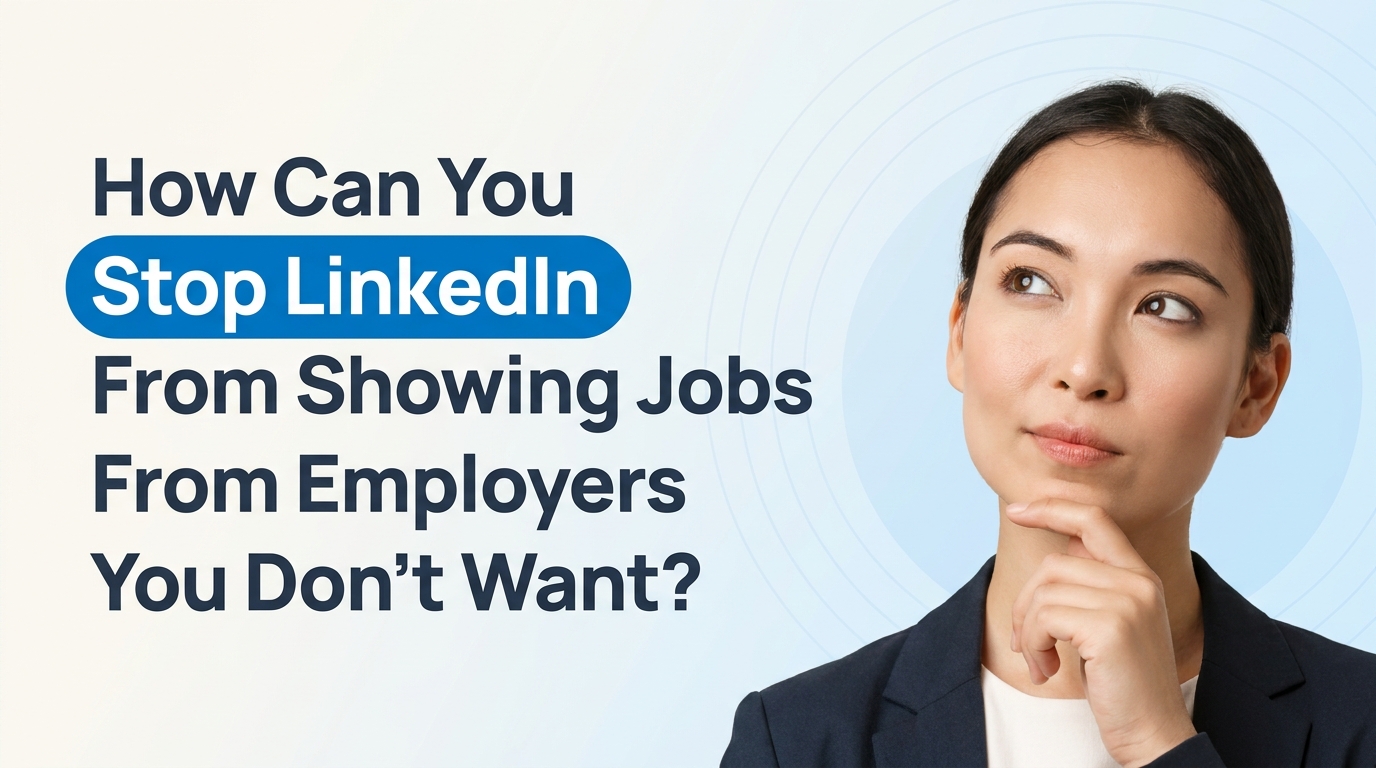
If you’ve ever opened a LinkedIn job alert and thought, why am I seeing this company again?, you’re definitely not the only one. It can get frustrating fast, especially when one employer keeps taking over your alerts even after you’ve already applied multiple times, been rejected, or simply decided that company is not a fit for you.
That’s really the heart of the concern here: LinkedIn does a decent job surfacing opportunities, but it still doesn’t give users enough control over what they don’t want to see. A feature that lets you mute or ignore specific employers would be genuinely useful. And honestly, it feels like something that should already exist in a more obvious way.
So if you’re trying to reduce repetitive job notifications from the same employer, here’s a practical breakdown of what you can do right now, what LinkedIn is still missing, and how to make your alerts more useful instead of draining.
Why this happens in the first place
LinkedIn’s job recommendation system usually looks at a few core signals:
Your profile details
Past job searches
Jobs you’ve viewed or applied to
Titles, skills, and locations you engage with
Companies that frequently hire for roles matching your background
That means if you’ve clicked on or applied to several jobs at one company, LinkedIn may interpret that as a strong sign that you want more jobs from them, not fewer. So ironically, applying 10 times and getting rejected can accidentally train the system to keep showing you that employer.
That’s where the annoyance comes in. From a user perspective, the signal should eventually become: please stop showing me this employer. But in many cases, the system doesn’t adapt that way.
Does LinkedIn currently let you block job alerts from a specific employer?
As of now, LinkedIn does not offer a clean, universal “ignore this employer” button for job alerts in the way many users would want. There are some workarounds, but they’re not perfect.
That’s why this feature request makes so much sense. Being able to exclude a company from recommendations would help people:
Save time
Reduce alert fatigue
Focus on employers they actually want
Improve the quality of job discovery
If LinkedIn added an employer mute list, it would probably improve the user experience a lot. Job searching is already mentally tiring. Nobody wants 60% of their alerts filled with jobs they already know they don’t want or can’t realistically get.
What you can do right now
Even though LinkedIn doesn’t fully support this feature yet, there are still a few ways to reduce unwanted employer recommendations.
1. Adjust your job alert settings
Go into your job alerts and review them one by one. Sometimes alerts are too broad, which causes LinkedIn to cast a wide net. You can narrow by:
Job title
Location
Workplace type
Experience level
Job type
The more precise your alert is, the less likely LinkedIn is to flood it with high-volume employers that happen to match loosely.
You can read more about managing job alerts directly through LinkedIn here: LinkedIn Help: Job Alerts.
2. Use search filters more aggressively
When searching for jobs manually, use filters that narrow the pool before you save the search. If the same employer keeps appearing, try refining the role title or location rather than relying on general terms.
For example, instead of searching Product Manager, try something more specific like:
Associate Product Manager healthcare
B2B SaaS Product Manager remote
Technical Product Manager cybersecurity
This doesn’t guarantee the unwanted employer disappears, but it can reduce how dominant they are in your results.
3. Click “Not interested” where possible
On some LinkedIn recommendations, you may see options like Not interested or controls that let you hide similar items. This isn’t always available in a consistent employer-level format, but when you do see it, use it.
Think of it as giving the algorithm a little course correction.
4. Stop engaging with those listings
This sounds obvious, but it matters. If you keep opening jobs from that employer out of curiosity, LinkedIn may keep interpreting that as interest. If you know a company is off your list, avoid clicking their listings unless you truly want to revisit them.
Algorithms often respond to behavior more than intention.
5. Use email rules to clean up alerts
If the biggest issue is your inbox, create an email filter in Gmail or Outlook to move alerts containing certain employer names into a folder, archive them, or deprioritize them.
Here are helpful guides:
It’s not a true LinkedIn fix, but it can protect your attention, which honestly matters a lot during a job search.
Questions worth asking yourself
Sometimes repetitive recommendations are annoying because they reveal a deeper issue with your setup. It may help to ask:
Are my job alerts too broad?
Does my profile suggest I’m targeting employers I’m no longer interested in?
Have I been clicking roles out of frustration or habit?
Do I need separate alerts for different goals instead of one catch-all alert?
Am I applying to companies that are realistically aligned with my experience level?
These are useful questions because they shift the problem from just “LinkedIn is annoying” to “how do I make the platform work better for me?”
What LinkedIn should really build
If LinkedIn wanted to address this properly, the best solution would be a simple employer exclusion feature. Something like:
Mute this employer
Don’t show me jobs from this company
Exclude from alerts
Even better, users should be able to manage a full exclusion list in settings. That way, if you know you do not want jobs from certain employers, staffing firms, or industries, you could remove them once and move on.
It would also help LinkedIn better understand user intent. Not every repeated application means stronger interest. Sometimes it means someone tried, got an answer, and wants to redirect their energy elsewhere.
This kind of feedback loop is common in recommendation systems. If you’re curious about how recommendation feedback can go wrong or become repetitive, this video gives a useful overview of how algorithms shape content and suggestions: How recommendation algorithms work.
If you’re job hunting, this matters more than it seems
Bad recommendations are not just mildly annoying. They can affect momentum. When your alerts are full of low-value or emotionally draining results, it becomes harder to stay consistent. You start checking less often, trusting the platform less, and feeling like your search is more random than targeted.
That’s why small controls matter so much. A better filter experience can create a better decision-making experience.
And if you’re on the employer or brand side, this same lesson applies in reverse: relevance matters. If your content, hiring strategy, or LinkedIn outreach is reaching the wrong audience over and over, performance drops. People tune out.
A more useful way to think about LinkedIn
Whether you’re job searching or building a brand, LinkedIn works best when the experience feels intentional. People want relevant opportunities, relevant conversations, and relevant content. They do not want noise.
So yes, the original request is valid. A dedicated “ignore specified employers” feature would absolutely improve LinkedIn job alerts. Until that exists, your best move is to tighten your alerts, reduce accidental engagement with companies you don’t want, and filter your inbox so the platform doesn’t eat up your attention.
Write better LinkedIn content with EXEED AI
EXEED AI is an AI tool that helps you ideate, draft, and schedule content for your LinkedIn. Turn raw ideas into polished posts and stay consistent without the guesswork. Try EXEED AI.