Is LinkedIn Really Overrated for Job Searching, or Are We Just Using It Wrong?
Discover if LinkedIn is overrated for job searching. Learn effective strategies to improve your application success. Read more and take action today!
Let me guess. You found a role that looked like it was written for you. You tailored your resume, hit apply, maybe even sent a polite follow up message. And then... nothing. No rejection, no feedback, not even an automated "we received your application" email. Just silence, while the same job posting sits there for weeks like nobody ever applied.
If that sounds familiar, you are far from alone. A post recently went around Reddit calling LinkedIn "the most overrated job search platform in today's day and age," and honestly, the frustration in it hit a nerve for a lot of people. Applications vanishing into a black hole. Recruiters posting "We're hiring, join our amazing team!" and then ghosting the very candidates who reach out. Endless motivational posts about "valuing talent" from companies that cannot spare two lines to update an applicant.
So let's actually sit with the question. Is LinkedIn overrated? Is it broken? Or is there a smarter way to use it that most job seekers never get told about? Grab a coffee, because we are going to unpack all of it honestly, without the "just network more" fluff.
Why Does LinkedIn Feel Like a Black Hole for Job Applications?
First, let's validate the feeling with some facts, because you are not imagining things.
Volume is insane. LinkedIn itself has reported that popular job postings can receive hundreds of applications within the first 24 hours. Some corporate roles get over a thousand applicants. No human being is reading all of those.
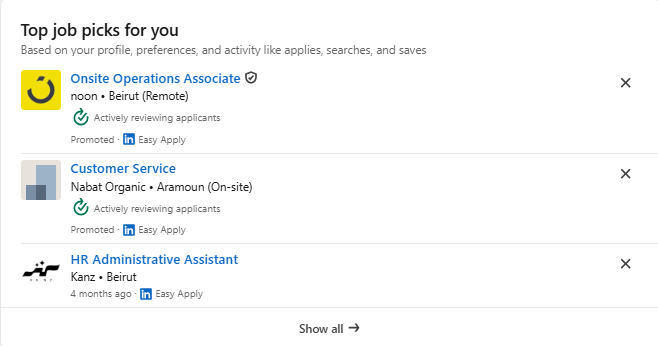
Easy Apply made applying easier for everyone, including people who are not qualified. One click applications mean recruiters get flooded with candidates who never even read the job description. Your genuinely strong application gets buried in the noise.
Applicant tracking systems filter before humans ever look. Most companies run applications through an ATS that screens for keywords. If your resume does not match the phrasing in the posting, a person may never see it. Jobscan has a solid breakdown of how this works in their guide to applicant tracking systems.
Ghost jobs are real. Some postings stay live because companies want to build a talent pipeline, look like they are growing, or keep a requisition open "just in case." Research covered by outlets like the Wall Street Journal has highlighted how many listings are not actively being filled at all.
So when the Reddit poster says applications go to a "waiting room where they die," that is not bitterness. That is a fairly accurate description of what happens when you rely on the apply button alone.
Make recruiters stop on your profile
Paste your profile link and see your score right away, with clear fixes for your headline, About section and experience. No account needed.
Or open the LinkedIn profile evaluator
Is LinkedIn Actually Overrated, Then?
Here is where I will gently push back, and I promise this is not a "rejection is redirection" speech.
LinkedIn as a job board is genuinely mediocre. If your entire strategy is scroll, apply, wait, repeat, you will burn out fast and get very little back. On that specific point, the frustrated poster is right.
But LinkedIn as a professional visibility and relationship platform is a completely different tool, and this is where most people never shift gears. The people getting real results on LinkedIn are almost never the ones sending the most applications. They are the ones who get found, referred, or remembered.
Think about it from the hiring side for a second. A recruiter with 800 applicants and a deadline is not carefully reading resume number 512. But if a colleague says "hey, I know someone great for this," or if the recruiter already recognizes a name from thoughtful comments and relevant posts, that candidate skips the pile entirely. Referrals consistently outperform cold applications, and some studies suggest referred candidates are several times more likely to get hired. Zippia compiled some eye opening numbers in their employee referral statistics roundup.
So the honest answer to "is LinkedIn overrated" is this: the apply button is overrated. The platform underneath it is underused.
Why Do Recruiters Ghost Qualified Candidates?
This one stings, so let's be real about it. Ghosting is rude, full stop. If a recruiter has time to write a 500 word post about company culture, they have time for a two line rejection email. No argument there.
But understanding why it happens helps you stop taking it personally:
Recruiters are often juggling 15 to 30 open roles at once. Their inboxes are chaos, and "reply to everyone" simply does not happen, even when it should.
Many are told not to give feedback. Legal teams at a lot of companies advise recruiters to avoid explaining rejections because feedback can create liability. Silence is often policy, not personal.
Those "Interested!" comment threads are mostly noise. When 400 people comment "sent you a DM," the recruiter checked out long ago. Commenting on hiring posts is one of the lowest yield moves on the platform.
Some roles are filled internally before they are ever posted. The listing exists for compliance reasons. Everyone who applies is competing for a job that was never really open.
None of this excuses the behavior. It just tells you where not to spend your energy.
What Actually Works on LinkedIn in 2026?
Alright, enough diagnosis. Here is the practical part, the stuff that separates people who get interviews from people who get silence.
1. Stop leading with the apply button
Apply, sure, but treat it as step one, not the whole strategy. After applying, find the hiring manager or a team member, not just the recruiter, and send a short, specific message. Two or three sentences about why you fit, referencing something concrete about their team or product. Not "I sent you a DM" in a comment section with 300 other people.
2. Build visibility before you need it
The cruel irony of LinkedIn is that it works best for people who invested in it before they were job hunting. Commenting thoughtfully on posts in your industry, sharing what you are learning, and engaging with people at target companies puts your name in front of the right eyes over time. When your application lands, you are not a stranger.
3. Optimize your profile for search, not just for looks
Recruiters search LinkedIn like Google. If your headline says "Open to opportunities" instead of "Data Analyst | SQL, Python, Tableau," you are invisible to the searches that matter. Fill your headline, about section, and experience with the actual terms recruiters type. If you want a deeper walkthrough, this video on optimizing your LinkedIn profile covers the essentials well.
4. Aim for referrals, not just applications
Before applying anywhere, check if you have a first or second degree connection at the company. A warm intro or referral changes your odds dramatically. Even a message like "I noticed you work at X, I just applied for the Y role, would you be open to sharing what the team is like?" opens more doors than another cold application ever will.
5. Track everything and follow up once, properly
One polite follow up about a week after applying is reasonable and sometimes surfaces your application. More than that rarely helps. Keep a simple tracker so you know where you stand and where your energy is actually converting.
6. Diversify beyond LinkedIn
Company career pages, niche job boards for your field, industry communities, and actual humans you know all deserve a slice of your time. LinkedIn should be one channel, not the whole pipeline.
Quick Recap: Where Should Your Energy Actually Go?
Low value: mass Easy Apply, commenting "Interested!" on hiring posts, waiting for feedback that is never coming.
Medium value: tailored applications with ATS friendly resumes, one thoughtful follow up.
High value: referrals, direct messages to hiring managers, a searchable optimized profile, and consistent visibility in your niche.
So, Is It Worth Staying on LinkedIn?
Honestly, yes, but with adjusted expectations. LinkedIn is not a vending machine where you insert applications and receive interviews. It is more like a room where the people who hire are hanging out. Standing quietly in the corner submitting forms gets you nothing. Being visible, findable, and connected is what the platform actually rewards.
The original Reddit poster was right about the symptoms. The black hole is real, the ghosting is real, and the motivational fluff is exhausting. But the conclusion, that the platform itself is worthless, misses the part where a different approach produces genuinely different results.
One Last Thing That Might Help
If part of your frustration is that building visibility and staying consistent on LinkedIn feels like a second full time job, that is exactly the problem we built exeedin to solve. It is a LinkedIn focused SaaS designed to help you show up consistently, grow your presence, and get in front of the right people without spending your whole day on the platform. Because the goal was never to post more or apply more. The goal is to be the person recruiters already recognize when your name comes up.
Give exeedin a look, and let it handle the heavy lifting while you focus on the conversations that actually lead somewhere.