
EXEED AI

Dr. David Burkus's Recent LinkedIn Posts
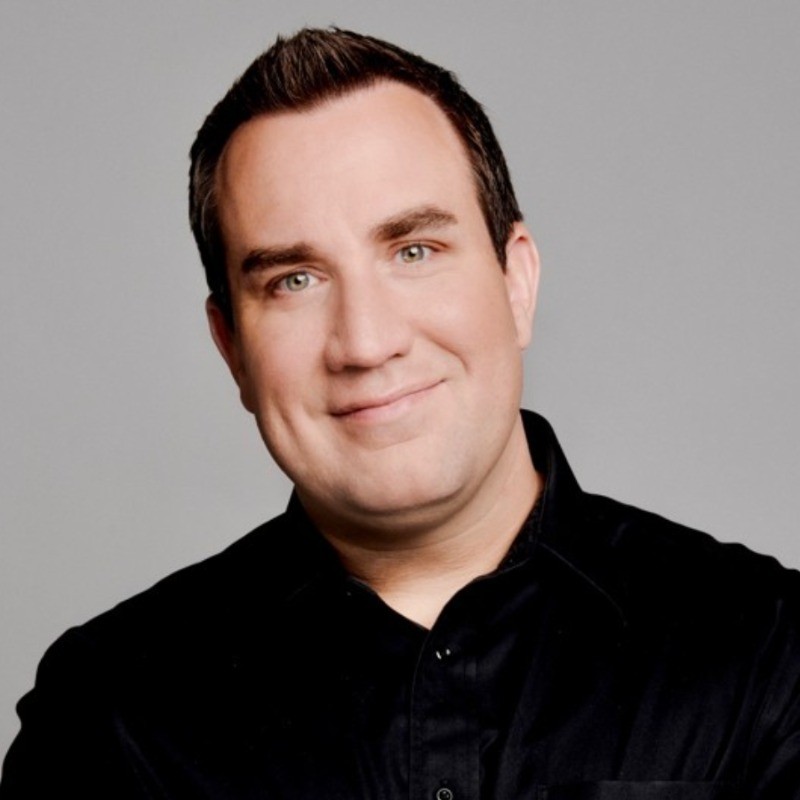
Dr. David Burkus

Dr. David Burkus

@davidburkus

Build Your Best Team Ever | Top 50 Keynote Speaker | Columbia Professor | Bestselling Author | Organizational Psychologist

en25 postsLinkedIn

Posts

Dr. David Burkus

Sales & Marketing

2mo

Conflict isn't the enemy of great teamwork. The wrong kind of conflict is. Research distinguishes between task conflict—debating ideas, assumptions, and approaches—and personal conflict, which is really just disrespect with a professional veneer. Task conflict makes teams better. Personal conflict quietly destroys them. The best leaders don't eliminate tension. They channel it. They tell their teams explicitly: push back on the idea, never on the person. Be passionate about the work. Be respectful of the people doing it. That's not a soft distinction. It's the whole game. Because a team that can disagree well will always outthink a team that can't. Save this if you lead a team that needs to have harder conversations. #Leadership #Teamwork
23

Dr. David Burkus

Sales & Marketing

3mo

The most underrated leadership habit? Saying someone's name when it matters most. Not just in team meetings. Not just in a quick Slack message. But upward—in the rooms your team doesn't have access to yet. When you're talking to your boss or senior leaders, the instinct is to represent the team as a whole. But the people who matter for your teammates' careers are in that room. Use it. Calling out who did what, and why it mattered, costs you nothing. And it compounds trust faster than almost anything else you can do as a leader. Save this one. Your team will feel the difference.
21

Dr. David Burkus

Sales & Marketing

3mo

Imagine a room full of leaders in suits of armor. Clanking around. Bumping into each other. All gassed up on information and ready to defend their answers. That's what a lot of modern workplaces actually look like. The best leaders figured out that meaningful connection isn't a perk or a culture initiative. It's the foundation. And you can't build it while you're hiding behind your solutions, your data, and your need to be the one with the answer. The armor has to come off first. Share this with a leader who needs to hear it.
16

Dr. David Burkus

Sales & Marketing

3mo

Cold outreach is the hard way to network. Most of your professional world is already one or two introductions away. You just haven't asked yet. Try this instead: Go to someone you already know and ask — "Who do you know in [industry/region/role]?" Then ask for the introduction. That's it. No awkward cold emails. No LinkedIn messages into the void. The network you need is probably hiding inside the network you already have. Share this with someone who hates networking.
15

Dr. David Burkus

Sales & Marketing

3mo

You can win, or you can learn. Those are the only two options failure gives you. Most leaders treat failure like a problem to move past. But the real loss isn't the failure itself— it's the moment you skip the choice to learn from it. The option to win is off the table. The only question is whether you take what's left. Save this as a reminder for the next tough debrief.
15

Dr. David Burkus

Sales & Marketing

3mo

The average employee toggles between apps, platforms, and websites nearly 1,200 times a day. All that switching doesn’t just burn time—it burns focus. It adds up to nearly four hours each week spent simply reorienting your brain after shifting contexts. It’s not just inefficient. It’s overwhelming.
19

Dr. David Burkus

Sales & Marketing

3mo

Difficult conversations are the real test of leadership. And yet, most of us go into them with the wrong mindset, the wrong preparation, and the wrong goal—which is exactly why they so often go sideways.
18

Dr. David Burkus

Sales & Marketing

2mo

"That's just how they are. It's the price of excellence." Most leaders have said some version of this about a difficult high performer. And it feels reasonable—until you actually look at what that person is costing you. Not in HR headaches or morale surveys. In output. From everyone around them. Because almost no one works alone. Which means a brilliant collaborator makes their teammates better. And a difficult one—no matter how talented—quietly makes everyone else worse. That's not a personality issue. That's a performance issue. The leaders who get this stop asking "how do we keep them happy?" and start asking "what is this actually costing the team?" Different question. Very different answer. Share this with someone who's been making excuses for the wrong person.
17

Dr. David Burkus

Sales & Marketing

3mo

More ideas aren't always better. LEGO learned that the hard way. In the early 2000s, they were chasing theme parks, new product lines, every revenue stream imaginable. Every team was busy. None of them were building toward the same thing. The turnaround didn't come from a brilliant new idea. It came from ruthless focus on one question: who are we actually doing this for? When the answer was clear—kids learning through play—everything else clicked. Designers tested with real kids. Engineers and marketers finally collaborated. The best ideas rose to the top because they had a filter. Alignment isn't a constraint on creativity. It's what makes creativity useful. What's the north star your team is rallying around right now? Share it below.
13

Dr. David Burkus

Sales & Marketing

3mo

The best leaders aren't the ones with all the answers. They're the ones who stopped needing to be. Hero leadership feels productive—but it creates dependency, not performance. Real team success comes from clarity (everyone knows their role), visibility (everyone sees how it fits together), and safety (everyone feels like they can bring their best ideas). That's when a team stops needing a hero and starts clicking on its own. Share this with a leader who needs to hear it.
25

Dr. David Burkus

Sales & Marketing

3mo

Your team's real standard only becomes visible when someone can't meet it. That's not a flaw in the system. That's the system working exactly as designed. The uncomfortable truth: most teams don't fully align around expectations until they're forced to confront a gap. And how you handle that gap tells your team everything—about what you value, what you'll tolerate, and whether results and relationships can coexist. They can. But only if you're intentional about it. Save this if you lead a team. The moment is coming.
16

Dr. David Burkus

Sales & Marketing

3mo

Most workplace conflict isn't malice. It's a miscommunication. A misread expectation. A one-off mistake that spiraled. But the moment we assume bad intent, we stop being curious—and start building a case. "Why did you do that?" closes people down. "Help me understand your perspective" opens them up. Curiosity creates space. Accusation shuts it down. And here's the thing: when you lead with curiosity, people don't just explain themselves. They start trying to understand you too. That's how trust actually gets built. Save this one. You'll need it.
17

Dr. David Burkus

Sales & Marketing

3mo

What Mr. Rogers Can Teach You About Leadership: Pause and Reflect When researchers studied flourishing workplaces, they didn't find leaders barking orders or running tight agendas. They found leaders asking "why does this matter to you?" And then waiting. That pause—the one that feels uncomfortable—is exactly where trust gets built and people feel genuinely heard. Mr. Rogers wasn't just good TV. He was modeling something most executives never learn. Save this as a reminder to stop filling the silence.
18

Dr. David Burkus

Sales & Marketing

3mo

Your values aren't what's on the wall. They're what you protect when it gets hard. Every team has stated priorities. Far fewer have defended ones. When competitors disrupt, markets shift, or pressure mounts— the leaders who outlast it aren't the ones who adapt fastest. They're the ones who stayed true to what got them there. So ask yourself: What are your team's non-negotiables? And what have you actually done to protect them? Save this—and revisit it the next time someone asks you to compromise.
17

Dr. David Burkus

Sales & Marketing

3mo

Leadership isn’t about how loud you are. It’s not about how much space you take up in a room. It’s about your ability to listen closely, analyze situations, reflect thoughtfully, and chart a new course of action.
44

Dr. David Burkus

Sales & Marketing

3mo

Introverts aren't shy. That's not an opinion—it's psychology. The modern definition of introversion has nothing to do with social anxiety or disliking people. It's about energy. Introverts recharge in quieter spaces. Extroverts recharge through stimulation and interaction. That's it. But society keeps pushing a different story—that introverts are withdrawn, have nothing to say, and don't belong at the front of the room. The research disagrees. Turns out, the traits that define introversion—deep listening, strategic thinking, careful observation—are exactly what high-performing leadership demands. The stereotype isn't just wrong. It's costing organizations great leaders. Save this and share it with someone who needs the reframe.
19

Dr. David Burkus

Sales & Marketing

3mo

Introverted leaders don't need to out-talk anyone. They just need to out-listen them. When someone feels genuinely heard, something shifts. They stop waiting to be told what to do. They start owning the solution. That's not a soft outcome—that's engagement, retention, and better ideas all at once. The move? Stop treating one-on-ones like a status update. Ask an open-ended question. Then actually listen—not just to what's being said, but to what your gut tells you isn't being said yet. That's where the real leadership happens. Save this if you lead with quiet over noise.
15

Dr. David Burkus

Sales & Marketing

3mo

The conversation is already harder because you called it "difficult." That label primes your brain for conflict. You walk in guarded. Defensive. Ready to win. But here's the reframe—from INSEAD professor Jean-François Manzoni: It's not a difficult conversation. It's a development conversation. You're not there to be right. You're there to strengthen the partnership. And sometimes that means discovering you're the one who was wrong. That shift in mindset changes everything before you open your mouth. Save this for your next hard conversation.
8

Dr. David Burkus

Sales & Marketing

3mo

Over-preparing for hard conversations is its own kind of avoidance. When you script every word, you stop listening. You're waiting for your cue—not actually in the room. The fix isn't less preparation. It's different preparation. Know the beats you want to hit. Know what you want them to understand. Know the outcome you're after. Then let go of the script. Hard conversations aren't performances. They're partnerships. Save this the next time you're dreading a tough talk.
4

Dr. David Burkus

Sales & Marketing

3mo

Ballroom History: Most events I speak at are in interestingly named hotel ballrooms. Today, I'm in a Ryman Ballroom. Named for Thomas Ryman, a Nashville saloon owner and riverboat captain who attended a revival in 1885 to heckle the preacher — and left converted, pledging to build a tabernacle. He built what became the Mother Church of Country Music. We still don't know how Thomas would feel about having a satellite church for corporate mega events.
11

Dr. David Burkus

Sales & Marketing

3mo

The word that's quietly killing your hard conversations? "You." "You always do this." "You never listen." "You made me feel that way." It sounds direct. But what it actually does is assign blame—and the moment someone feels blamed, they stop listening. Starting with "I" isn't weak. It's strategic. It owns your experience without putting the other person in a corner. And that's what keeps the conversation open instead of defensive. Anger, frustration, disappointment—all valid. But they're yours to own, not theirs to carry. Save this for your next hard conversation.
12

Dr. David Burkus

Sales & Marketing

3mo

Nobody becomes a better leader by pretending to be someone else. Listening closely. Thinking strategically. Observing what's working before jumping to conclusions. Those aren't soft skills—they're the core of high-performance leadership. And they happen to come more naturally to introverts. That doesn't mean hiding in the back of the room. It means stop trying to out-charisma people who are wired differently than you. The most effective version of your leadership style isn't louder. It's more intentional. Design it around your energy. Lead from there. Share this with an introverted leader who needs to hear it.
14

Dr. David Burkus

Sales & Marketing

3mo

Scripting a hard conversation doesn't make you more prepared. It makes you more fragile. Because your conversation partner doesn't know the script. And the moment they go off it, you're stuck—replaying your monologue while the real conversation moves on without you. The research-backed alternative? Bullet your thoughts. Know the outcome you want. Know the core message you need to land. Know the beats—not the lines. That's what keeps you present instead of performing. Share this with someone prepping for a tough conversation.
12

Dr. David Burkus

Sales & Marketing

3mo

Ballroom History: The "Grand" Ballroom I'm keynoting a conference today in the "Grand Ballroom," which reminds me of the famous Grand Ballroom of the Drake Hotel. In 1920 the hotel installed a spring-loaded floor to leverage the Charleston craze and keep dancers partying there all night long. Today, most hotels have a "Grand Ballroom" but sadly its mostly quarterly reviews and the Cupid Shuffle.
11

Dr. David Burkus

Sales & Marketing

2mo

There aren't two scorecards at work—one for results, one for how you treat people. There's one. Research on complex teamwork keeps pointing to the same finding: as the work gets harder, interpersonal skills matter more than technical ones. And social ability predicts team performance better than raw intelligence. That reframes everything. It means your "high performer" who leaves a trail of dysfunction isn't actually a high performer. It means hiring for culture fit isn't soft—it's strategic. It means performance is never just about what someone produces alone. In the modern workplace, almost nothing gets done in a vacuum. So the real question isn't "what can this person do?" It's "what do they make possible for everyone around them?" Share this with a leader who needs to hear it.
12